67% of Americans don't have one
Death, Taxes… and the Conversations We Keep Avoiding
There is something almost comically human about the way we live.
The world can feel like it’s unraveling—headlines flood our screens with chaos, uncertainty, and the occasional existential dread—and yet, somehow, we still remember to file our taxes.
On time.
Benjamin Franklin famously reminded us that “nothing is certain except death and taxes.” But if we’re being honest, there’s a third certainty he didn’t include:
We will do almost anything to avoid thinking about both.
The Day After Taxes—and the Thing No One Forces You To Do
Every year, April 15th comes with urgency. Deadlines. Penalties. Consequences.
But the very next day—April 16th—is National Healthcare Decisions Day (NHDD). And almost no one marks it on their calendar.
NHDD exists to encourage something far more personal than taxes:
thinking about what happens if you can’t speak for yourself.
thinking about what happens if you can’t speak for yourself.
No deadline.
No enforcement.
No immediate consequence.
No enforcement.
No immediate consequence.
And yet—arguably—far greater impact.
A Gap We Can’t Ignore
Here’s where things get striking:
- About 90% of people say it’s important to talk about end-of-life wishes
- Yet only 27% have actually had those conversations
- And just 23% have documented their wishes in writing [inelda.org]
Even more telling:
- 80% of people want to talk to their doctor about end-of-life care
- But only 7% actually do [inelda.org]
That gap—that quiet space between “I know this matters” and “I’ve done something about it”—is where so many families find themselves unprepared.
Not because they didn’t care.
But because they didn’t start.
But because they didn’t start.
The Real Cost of Waiting
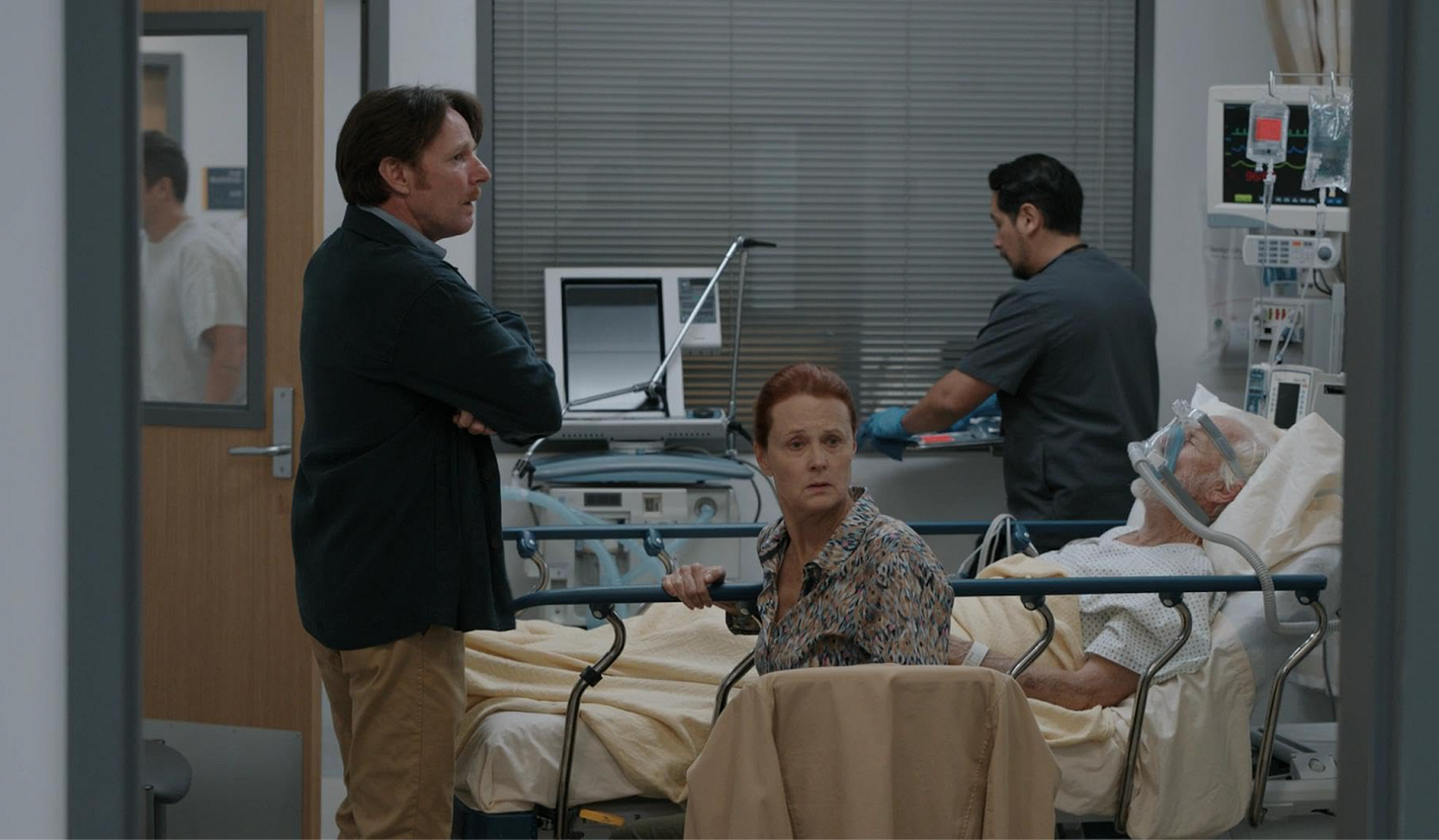
When someone hasn’t documented their wishes, decisions don’t disappear.
They shift.
They fall onto the shoulders of loved ones—often in moments of crisis, fear, and grief.
And those decisions are rarely simple:
- Should we continue life support?
- Would they have wanted aggressive treatment?
- Are we helping… or prolonging suffering?
Without guidance, families don’t just grieve—they second-guess, disagree, and sometimes carry guilt for years.
Advance care planning changes that.
Not perfectly. Not always completely.
But meaningfully.
Research shows that having these plans in place can:
- Reduce stress and conflict for families
- Improve communication with healthcare providers
- Ensure care aligns with personal, cultural, and spiritual values [inelda.org]
In other words:
Planning ahead isn’t about controlling death.
It’s about protecting the people you love from unnecessary pain.
It’s about protecting the people you love from unnecessary pain.
It’s Not Just a Document—It’s a Conversation
We often talk about advance directives as paperwork.
But at their core, they’re something far more human.
They answer two deeply personal questions:
- What matters to me at the end of my life?
- Who do I trust to honor that when I can’t?
Yes, there are forms:
- Living wills
- Healthcare proxies
- POLST documents (for those with serious illness)
But the real work happens before anything is signed.
It happens in conversations.
Around kitchen tables.
On car rides.
In quiet, sometimes uncomfortable moments where honesty shows up.
On car rides.
In quiet, sometimes uncomfortable moments where honesty shows up.
Trust Over Checkboxes
One of the biggest shifts happening in end-of-life care today is this:
Moving away from rigid, checkbox-style planning…
Toward trust-based, values-driven decision-making.
Toward trust-based, values-driven decision-making.
Because no document can anticipate every scenario.
And no form can fully capture what it means to live—and die—well.
Most people don’t just want a list of medical instructions.
They want someone they trust to say:
“I know who you are.
I know what matters to you.
I will carry that forward.”
Choosing Who Speaks for You
This might be the most important—and most overlooked—decision of all.
Your healthcare proxy (or medical power of attorney) is not just a title.
It is a responsibility that can carry enormous emotional weight.
And here’s the truth:
The person who loves you most is not always the person best equipped to make those decisions.
The right person is someone who can:
- Stay grounded under pressure
- Advocate clearly with medical teams
- Prioritize your wishes—even when it’s hard
And most importantly:
They’re someone you’ve actually talked to.
A Quiet Act of Love
There’s a common misconception that planning for the end of life is morbid.
But in this work, we see it differently.
It’s clarifying.
Grounding.
Even—dare I say—loving.
Because while you can’t control everything, you can decide:
- Whether your family has guidance or guesses
- Whether your values are known or assumed
- Whether your story feels complete or unfinished
Where to Begin (Without Overwhelm)
If this feels like a lot, you’re not alone.
Start small:
-
Think about what matters most to you
- Comfort vs. longevity
- Home vs. hospital
- Independence vs. intervention
-
Choose one person you trust
- Then talk to them openly
-
Use a simple tool to document it
- Options like Five Wishes and digital platforms have helped millions begin this process [inelda.org]
-
Share it
- With your doctor
- With your chosen decision-maker
- With your family
And revisit it over time.
Because who you are—and what you want—will evolve.
The World Keeps Going
The strange truth is this:
Even as we talk about death, life keeps moving.
Dishes need washing.
Dogs need walking.
Birthdays get celebrated.
Love continues.
Dogs need walking.
Birthdays get celebrated.
Love continues.
Preparation doesn’t interrupt living.
It enhances it.
Because when you accept that time is finite, you begin to use it more intentionally.
Final Thought
Paying your taxes may be required.
But preparing for the end of your life?
That’s a choice.
And it may be one of the most meaningful ones you ever make—not for yourself, but for the people who will one day sit in a room, missing you, and needing to know…
what you would have wanted.
☕ Let’s Share
Have you started an advance directive—or avoided it?
Have you ever had to make decisions for someone else without one?
Your story matters more than you think.
It may be exactly what someone else needs to hear to begin.
It may be exactly what someone else needs to hear to begin.
Marc D Malamud
Transitioning Doula