
Why We Regret Not Dancing More: What Confronting Mortality Teaches Us About Embodiment
When Carolyn Gregoire thinks about the regrets people share at the end of life, one theme comes up again and again: they wish they had danced more. They wish they had enjoyed their bodies—not just for what they could do, but for the simple fact of being alive inside them.
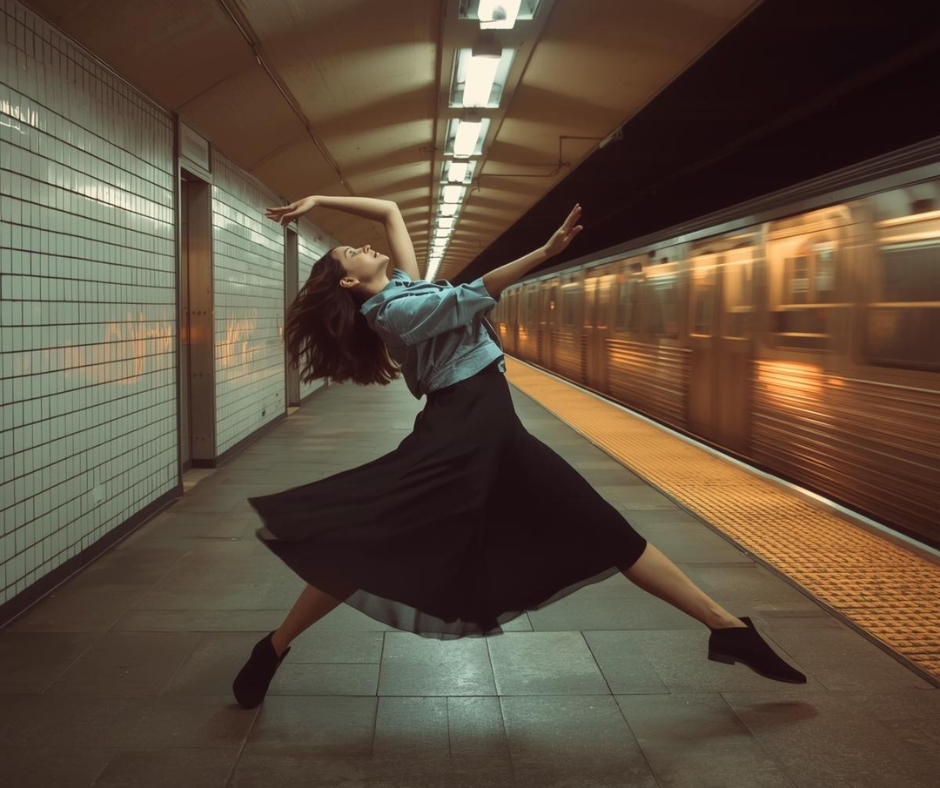
This insight eventually led Carolyn to a weekly ritual in New York City: pulling on a bodysuit, hopping on the L train, and joining a lively mix of strangers for 5Rhythms, a movement meditation class held in an old Bowery church. Created by Gabrielle Roth in the 1970s, 5Rhythms blends expressive movement with awareness practices. For Carolyn, it’s a place where self‑consciousness dissolves and aliveness returns.
Roth once wrote, “When we dance, we wake up.”
Carolyn felt exactly that—especially after a period of personal loss that made life’s impermanence impossible to ignore.
Carolyn felt exactly that—especially after a period of personal loss that made life’s impermanence impossible to ignore.
How Mortality Reawakens the Body
During her own season of grief, Carolyn found herself longing to dance again. She’d grown up with ballet and rhythmic gymnastics, but over the years had drifted away from movement that felt joyful and free. What surprised her was how deeply this longing surfaced once she began facing the reality that time is finite.
She later learned this reaction is common.
Hospice chaplain Kerry Eagan writes about the way dying people often speak of their bodies with a new tenderness. They don’t just lament illnesses or physical decline—they lament missing the pure, sensory experience of being alive in a body.
Patients recall small, vivid memories:
- the feeling of water during a first swim
- the warmth of holding a child
- the sweep of music through a moving body
And then comes the refrain:
If I had only known, I would have danced more.
If I had only known, I would have danced more.
Dancing, Eagan notes, symbolizes a kind of freedom many don’t recognize until it’s nearly gone.
Why So Many of Us Stop Dancing
When Carolyn began interviewing people about death, she asked death doula and writer Darnell Lamont Walker what he’d regret most if he died tomorrow. His answer was immediate: “I wish I had learned ballet.”
His response reaffirmed something she had already begun to see—thinking about death often brings us back not to careers or achievements, but to the small things that make life feel vibrant.
His response reaffirmed something she had already begun to see—thinking about death often brings us back not to careers or achievements, but to the small things that make life feel vibrant.
So why do so many people stop moving in the ways that make them feel alive?
A few reasons stand out:
1. The Body Holds Pain
Physical and emotional trauma can make inhabiting the body feel overwhelming. Movement becomes something to avoid rather than a source of joy.
2. Adult Life Pulls Us Into Our Heads
Daily demands, productivity pressure, and routine can disconnect us from the sensory world. Many people gradually forget what it feels like to be present in their own skin.
3. We Inherit Cultural Stories That Dismiss Pleasure
Generational and cultural narratives often frame bodily joy as frivolous—or something to outgrow.
Alan Watts captured this beautifully when he said we treat life like a serious journey toward a final destination, when in reality, “It was a musical thing and you were supposed to dance while the music was being played.”
Finding the Way Back
For Carolyn, movement eventually became both a doorway into healing and a sign that healing was happening.
As she gently worked her way out of the numbness that grief had caused, dance reappeared in unexpected places:
As she gently worked her way out of the numbness that grief had caused, dance reappeared in unexpected places:
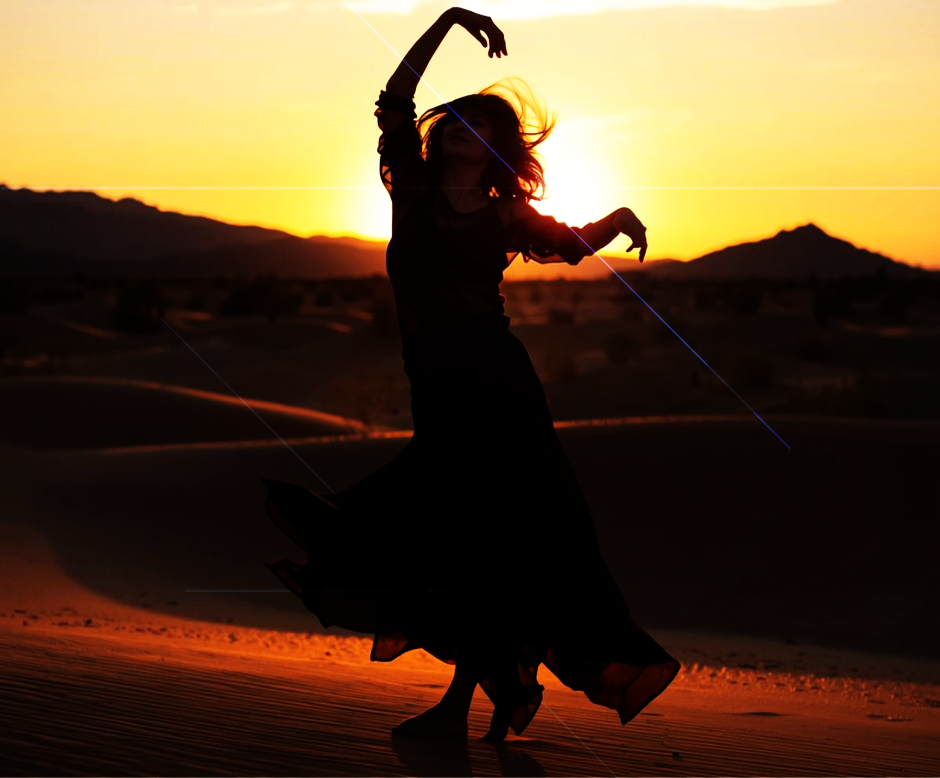
- on wedding dance floors
- at sunrise at Burning Man
- in her living room with her toddler
- and in that Bowery church on Friday mornings
Looking back, she sees these moments as some of the most meaningful of the past year.
She’s also clear that healing doesn’t come quickly or neatly. Trauma, loss, illness, and stress don’t vanish because we decide to move. But what movement does offer is a way to come home to ourselves—one step, sway, or breath at a time.
As Roth famously said, “If you just set people in motion, they’ll heal themselves.”
A Final Reminder
Contemplating death isn’t just a philosophical exercise. It's an invitation to live more deeply in the time we have.
And perhaps the simplest, most powerful way to accept that invitation is to return to the body—while we still can—through movement, joy, and dance.
And perhaps the simplest, most powerful way to accept that invitation is to return to the body—while we still can—through movement, joy, and dance.
Marc D Malamud
Transitioning Doula