
What My Father Taught Me About Dying
I remember the morning my father died.
It was 4:30 a.m. on a Sunday in mid-August 2005. I was helping him to the bathroom when he suddenly needed to sit down—and in that moment, in my arms, he passed. He died in his hallway at home
My dad had been living with phybrosis of the avioli for years.
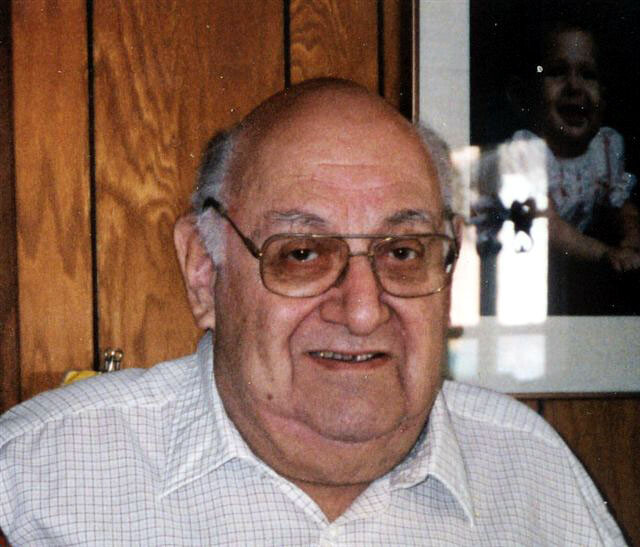
Those last 72 hours were surreal. He and I talked about him getting a motorized scooter to improve his quality of life. He was back and forth. At the end I realized he was just waiting to have his last time with me.
Honestly, it doesn’t matter.
What matters is how we treat someone who is dying. Often, they move between two worlds: one we can see, and one we can’t. They might talk to people we don’t see, or describe things that aren’t there. This isn’t “crazy.” It’s a natural part of the dying process.
The mistake we make is dismissing it—treating them like they’re hallucinating or irrational. Even if you don’t believe in an afterlife, rejecting their experience can create fear and suffering in their final moments. The greatest gift we can give is acceptance.
Whatever they see, whatever they say—meet them there. Let them feel loved and understood.
If you’ve been with someone at the end of life, you may have seen similar things. My advice: try to enter their world, even for a moment. It’s hard—I couldn’t do it when my mom died at 30. I was drowning in grief. But when my dad passed at 48, I was able to be present in his world.
Life teaches us not just how to live, but how to die—and how to show up for those we love in their final moments. Being present is the greatest gift we can give.
Marc D Malamud
Transitioning Doula